
Premium Blackjack

Premium Blackjack is a single-hand Playtech card table. It returns 99.58% to a player using correct strategy, which is about as generous as the genre gets. The table runs the classic American ruleset, the dealer stands on soft 17, and stakes sit between $1 and $100 per hand. That return is the headline, yet the ceiling stays modest, since a top win caps near 100 times your stake.
This is a table built for grinders, not jackpot chasers. The math rewards discipline, so the house edge stays tiny only while every call follows the chart. Anyone hunting volatile six-figure multipliers should look at slots instead, because blackjack pays steady and small by design.
| Detail | Specification |
|---|---|
| Provider | Playtech |
| Type | Blackjack card table |
| Return to player | 99.58% |
| Max win | x100 |
| Bet range | $1 to $100 per hand |
So the snapshot reads simple. A premium return, a clean American layout, and a low ceiling that keeps swings shallow. The sections below dig into where the edge comes from, and why the operator matters as much as the rules.
Playtech has shipped regulated card tables for over two decades, and that record is the first reason to trust this one. The studio sits behind a huge share of the licensed table-game market. Its blackjack code has therefore been audited and certified across dozens of jurisdictions. When a developer carries that history, the lobby return figure tends to be the real one.
The game has stayed in rotation for years, because the rules are tight and the payout is honest. Longevity matters in this space. Tables that quietly shave value get dropped by sharp players fast, so this one survived because the 99.58% holds up.
🎯 Did You Know? Blackjack traces back to a French game called Vingt-et-Un, meaning twenty-one. The modern name came from an early bonus that paid extra for the jack of spades.
You will find this table at a wide spread of licensed sites. The most reliable ones cluster among independently certified casinos that publish their audit reports. The brand pedigree carries weight, yet a certified operator turns a strong ruleset into a payout you can actually withdraw.
At 99.58% return, the house edge here is roughly 0.42%, which beats almost every other game on a floor. Put plainly, perfect play hands the operator less than half a percent over the long run. That is why blackjack outranks slots and roulette for value, though it only holds when you follow the chart.
Return to player is a long-run average measured over millions of hands, so it never promises a winning session. A single sitting can swing well above or below that line, because variance does not read the textbook. The figure describes the price of play across time, not the result of your next twenty hands.
⚡ Quick Fact: A 0.42% edge means a $10 hand loses roughly four cents on average. So a brisk session of 200 hands costs about eight dollars in theory.
Work the math at three stakes over a 200-hand session, and the edge stays gentle throughout. At $1 a hand you turn over $200, so the theoretical cost is about 84 cents. Step up to $10 and that same session runs roughly $8.40. At $50 a hand it projects near $42 over the long run.
Variance widens those bands hard in a real sitting, so the swing can dwarf the average either way. A hot run can leave you up several stakes. Yet a cold streak can erase a bankroll faster than the edge alone suggests, so treat the expected cost as a floor.
The takeaway holds across the table. A thin edge keeps the long-run bleed slow, but short-run swings still demand a buffer. That gap between average and variance is exactly what the bankroll plan below is built to absorb.
Each hand pits your two cards against the dealer’s, and the goal is to land closer to 21 without busting. You place a bet inside the $1 to $100 band. The dealer then deals two cards up to you and shows one of their own. From there you hit, stand, double, or split, and the dealer plays a fixed rule once you finish.
The dealer stands on soft 17 in this build, which nudges the edge a fraction in your favour. A natural, an ace alongside a ten-value card, pays the classic three-to-two. Standard wins pay even money, while a tie returns your stake as a push.
💡 Pro Tip: Always check the paytable before your first hand and confirm naturals pay three-to-two. A six-to-five table quietly hikes the house edge by well over a full percent.
Because the rules are fixed and transparent, every decision has a mathematically correct answer. That is the appeal of the format. Skill genuinely moves the needle, so a reader who learns the chart plays a measurably better game. The flow stays quick, and the choices are where the value lives.
The split, double and insurance choices are where most players leak value, so they deserve a close read. Splitting turns a pair into two hands, each taking a fresh card. It is powerful on aces and eights, and poor on tens. Doubling stakes twice for one more card, and it pays off hardest on a hard nine, ten or eleven.
Insurance is the trap to avoid. The side bet looks tempting when the dealer shows an ace, yet it carries a steep edge. It also drags your long-run return down, so sharp players decline it almost every time. The math simply does not favour the bet.
⚠️ Caution: Taking insurance feels safe but costs you over the long run. The side bet pays two-to-one, while the true odds of dealer blackjack sit worse than that, handing the table a fat edge.
Knowing when to split eights, double a hard eleven, and wave off insurance is roughly half the skill ceiling. Master those three calls, and your real return creeps toward the headline 99.58%. Skip them and the edge quietly balloons, so the felt punishes lazy play.
The only real strategy here is correct basic-strategy play, paired with a bankroll you size before you sit down. No betting system beats the house edge. Chasing losses with a doubling stake just speeds up the variance. So set a budget, pick a stake with room, and let the chart make your calls.
A flat-betting approach suits this table best, because the thin edge already does the heavy lifting. Walk in with a stop-loss and a walk-away target, then honour both. The discipline is what protects the math. If a session sours, stepping away costs nothing while tilt costs plenty.
Match your stake to your bankroll, and the buffer absorbs normal swings. A $100 bankroll handles $1 hands across a long evening. That gives you a hundred-hand cushion before variance bites, so set a stop-loss near $40 to protect the lot.
A $500 bankroll opens $5 to $10 hands with a stop-loss around $200. That range lets the edge work over enough hands to matter, while the cap keeps a bad night contained. Lock any strong win and bank it, rather than feeding it back.
A $2,000 bankroll can ride $25 to $50 hands, yet even there the discipline rules. Set a firm walk-away target. A thin edge does not rescue a player who keeps raising after a swing. Bigger stakes shorten the runway, so the stop-loss matters more, not less.
If the game stops feeling like entertainment, treat that as the real signal to stop. Free, confidential support is available through BeGambleAware. Setting deposit limits before a session is the simplest guard there is, so build in a hard stop and follow it.
Against Playtech’s wider card-table lineup, this one stands out for its bare-bones, high-return purity. Some tables layer on side bets and extra hands. This build keeps a single hand and a tight ruleset, which is exactly why the return runs so high. The trade is simple: fewer bells, more value.
For a multi-hand version of the same format, Blackjack MH lets you play several boxes at once. If you prefer single-deck math, Blackjack Touch Single Deck tightens the count further. For a lower-skill card table, Baccarat makes the choices for you.
Single-hand tables like this one tend to post higher return rates than their side-bet-heavy cousins. The reason is structural. Every optional wager a table adds carries its own house edge, so a stripped-back layout keeps more value with the player.
You will find this table grouped at sites that lean into strong blackjack casinos and broader live blackjack casinos with real-dealer rooms. Within that company, this release earns its place on return alone, since few card games on the floor pay back more.
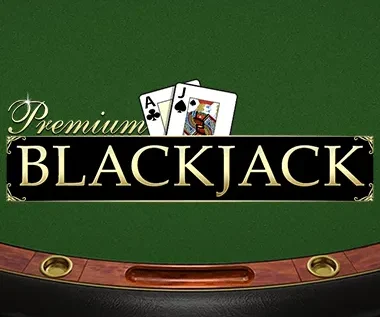
Visually the table keeps things deliberately plain, with a green felt, a clear chip tray, and large readable cards. There is no theatrical wrapper here, just a functional layout that puts the hand front and centre. That restraint suits the format, because a card table lives or dies on clarity, not spectacle.
The chip selector, action buttons, and running totals sit where your eye expects them, so the rhythm of play stays brisk. Sound is understated, a soft shuffle and a card flick rather than a soundtrack. The whole presentation says serious table, and the players it draws tend to want exactly that.
So the look is a tool, not a theme, and it earns its keep by staying out of the way. A reader who values fast, legible play over animation will find the interface a quiet strength.
The table runs cleanly on a phone, because the simple layout scales down without losing a single control. Tap targets stay large enough for a thumb. The chip tray reflows neatly, and the cards keep their size on a small screen. A short evening on mobile feels no worse than at a desk.
On desktop you gain screen room for reading the running total and the dealer’s upcard at a glance. The core math stays identical across devices, since the same certified return drives both builds. Any difference comes from your operator and connection, not the game itself.
One habit pays off on either screen. Open the cashier and withdrawal terms before you load the table. That way you know your limits and verification steps up front, rather than mid-session when a win is on the line.
Whichever screen you choose, the experience holds together because the design never overreaches. That consistency means your strategy chart works the same everywhere, so a session started on mobile carries straight to the desk.
The table returns 99.58% to a player using correct basic strategy, so the house edge sits near 0.42%. That figure is a long-run average over millions of hands, which means a single session can land above or below it. It also assumes you follow the chart, since misplays widen the edge.
Playtech develops the table, and the studio has supplied regulated card games for more than two decades. That long certification history is a key reason the lobby return figure tends to match the audited reality. The operator hosting it, however, still controls your payouts and verification.
Place a bet between $1 and $100, then aim to beat the dealer by landing closer to 21 without busting. You can hit, stand, double, or split each hand, while the dealer stands on soft 17. A natural pays three-to-two, standard wins pay even money, and ties push.
Declining insurance is the right call almost every time, because the side bet carries a steep house edge. It pays two-to-one when the dealer shows an ace, yet the true odds of a dealer natural sit worse. Over a long run, skipping it keeps your return closer to the headline rate.
The top payout caps near 100 times your stake, which is modest next to a high-volatility slot. This table is built to pay steady and small, rather than chase huge multipliers. So the appeal lies in the low edge and frequent even-money wins, not a jackpot ceiling.
Yes, the table runs cleanly on phones and tablets, since the plain layout scales down without dropping any controls. Tap targets stay large, and the certified return matches the desktop build. Performance then depends on your operator and connection, rather than the game.
Most licensed casinos offer a demo mode where you practise the table without risking real money. Running the basic-strategy chart in demo is the smartest way to drill the splitting and doubling calls. When you switch to real stakes, the rules and the 99.58% return carry across unchanged.
This is one of the highest-returning card games a licensed casino will offer, and its honesty is its strength. The thin 0.42% edge rewards anyone who learns the chart, while the plain interface keeps play fast. The catch is a low ceiling and a format that punishes guesswork, so it asks for discipline rather than luck.
⭐ Our Verdict
A premium-return Playtech table that earns its name through a sub-half-percent edge and a clean American ruleset. It is built for steady, skill-led sessions, not jackpot hunts, and it holds up because the math is honest. Pair it with a certified operator and it is a genuinely strong choice.
👥 Best For: Strategy-minded table players who value a thin house edge and frequent even-money wins over volatile slot jackpots. It rewards anyone willing to learn the chart and stake within a planned budget. Big-multiplier hunters and casual button-mashers will find the low ceiling a poor match.
This review is verified periodically against the latest game data and casino paytables. The table remains an open, adults-only game restricted to players 18+. Premium Blackjack is attractive on the numbers. Yet it is only worth real-money play where the casino shows transparent terms, fair limits, and proven withdrawals.
Ready to play Premium Blackjack for real money? Start at one of our top-rated crypto casinos, crypto slots sites, the best slots casinos, fast-paying casinos and mobile casinos.
Play responsibly. 18+ only. For free, confidential support visit BeGambleAware.