Published on March 11, 2026 by Boris Danshin

Death, Danger & Dark Reel Aesthetics Slots

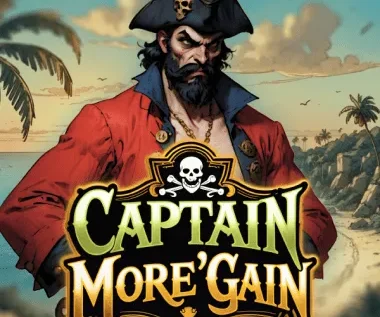
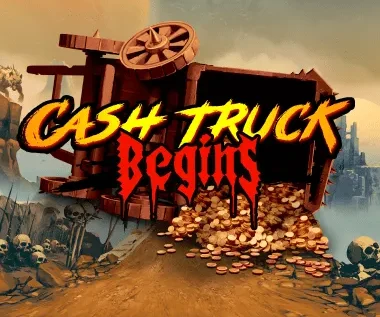






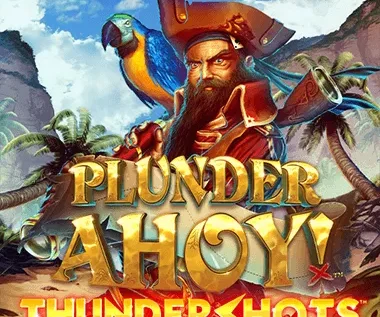

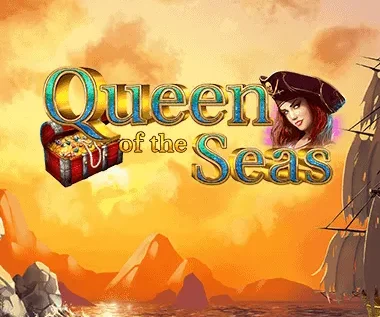



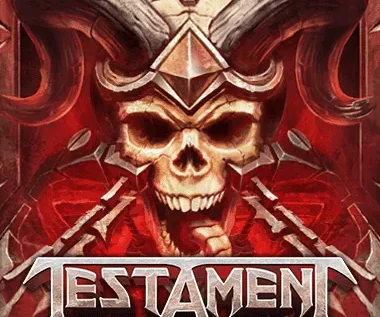

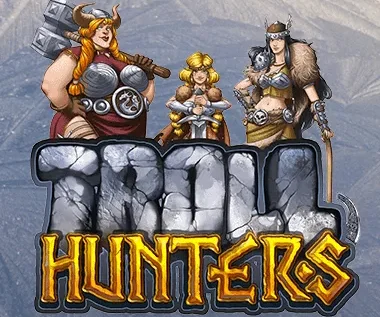
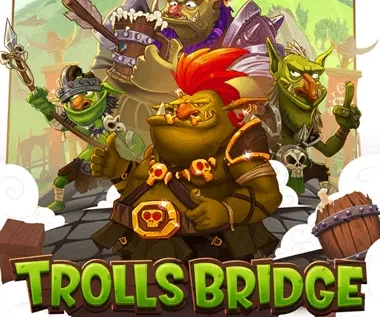
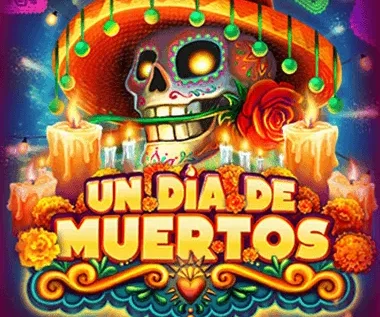
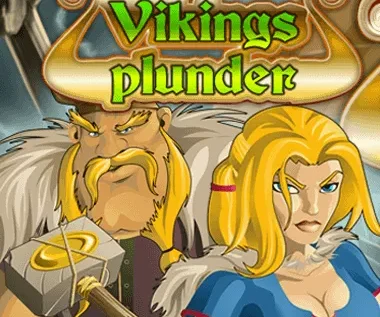

Showing 144 of 144 games
The Skull Theme in Slot Design
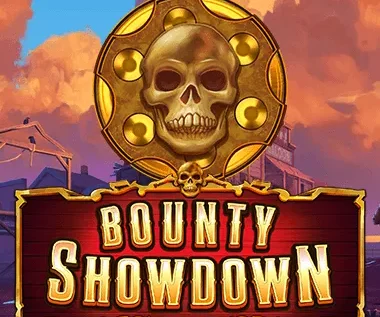
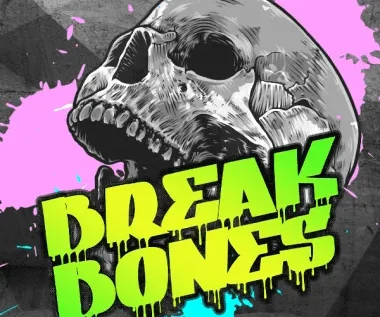
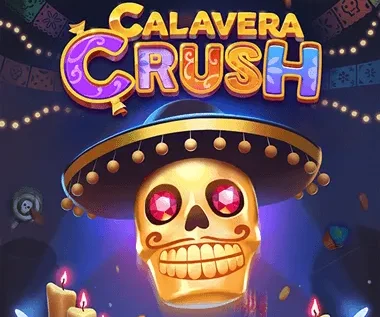
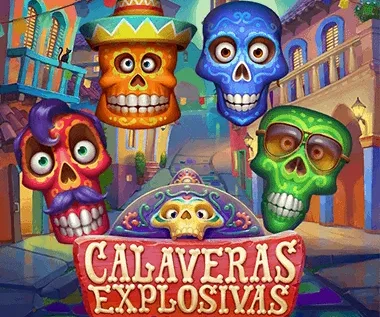
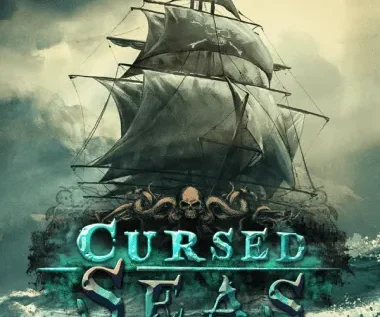
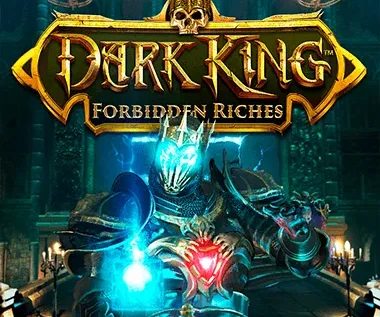
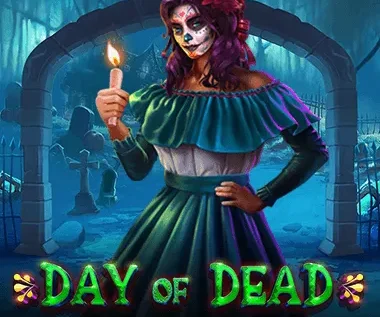
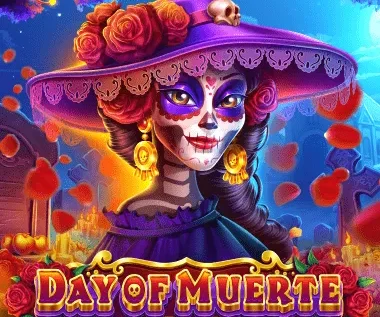
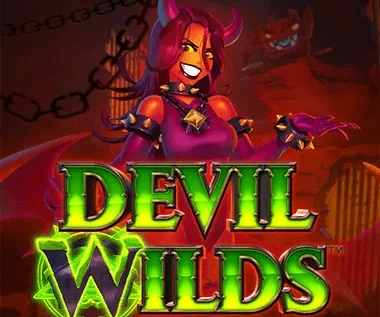
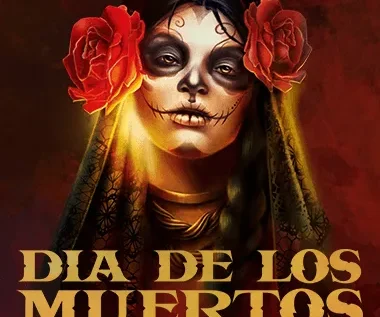
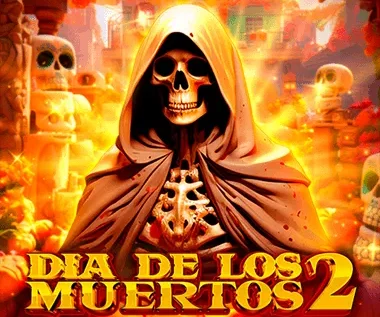
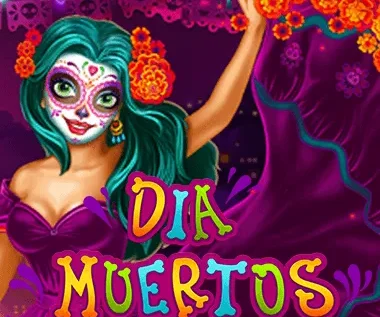
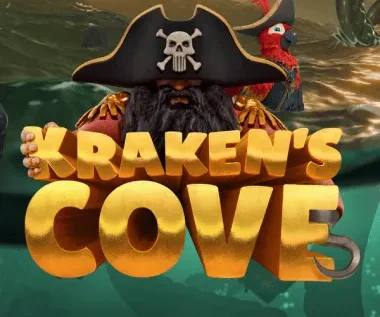
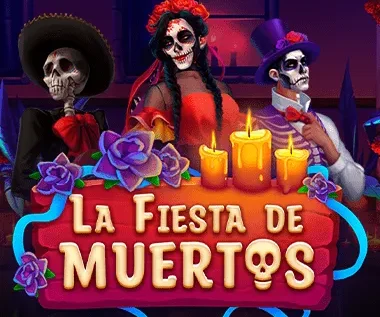
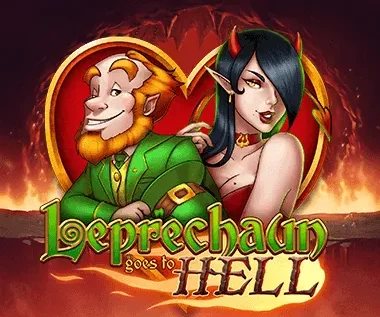
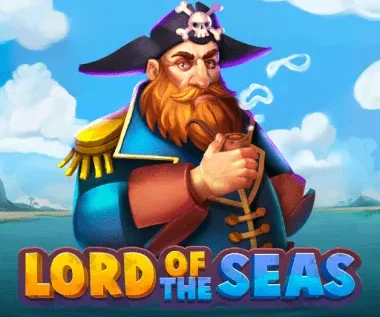
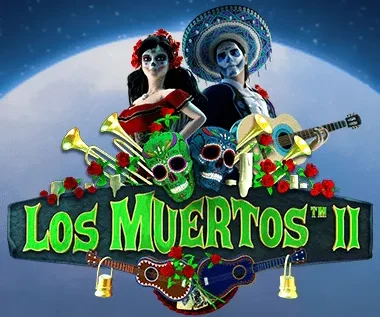
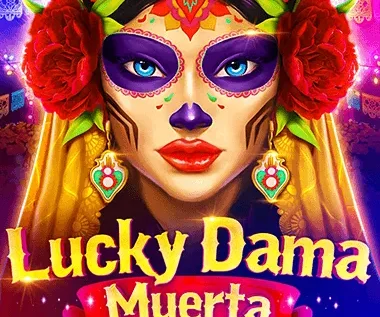
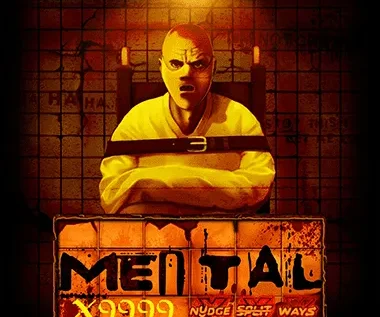
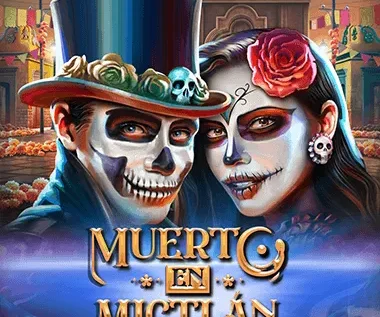
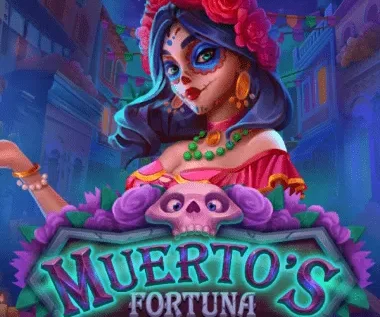
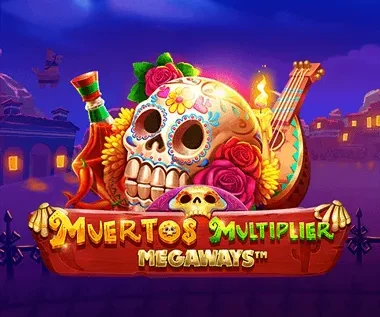
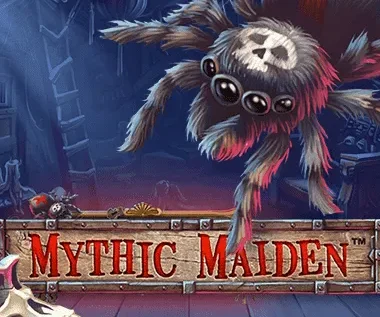
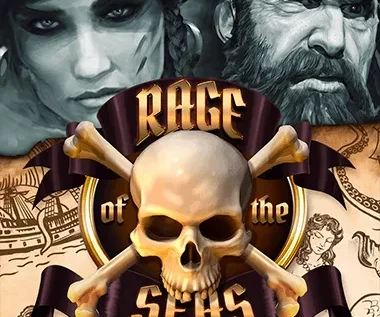
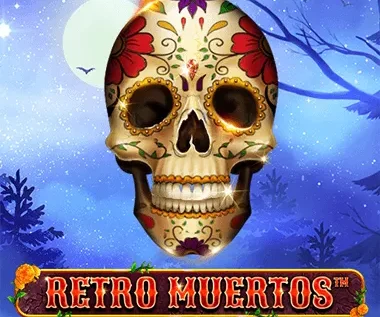
Skull slots build their visual identity around death imagery — crossbones, pirate skulls, gothic skeletons, and danger motifs. Consequently, the primary symbol tier features skull icons, bone symbols, and dark macabre designs across all sub-genres. Sub-genres include pirate death formats, gothic horror aesthetics, and Día de los Muertos festive skull designs. Furthermore, the skull palette concentrates on dark blacks, deep reds, and bone-white tones. Additionally, skull scatter symbols trigger the most common free spin and bonus entry mechanics.
House Edge and Provably Fair Mechanics
Skull slots carry house edge values determined by sub-genre and studio rather than the dark aesthetic. Consequently, gothic skull formats from mainstream studios carry RTPs between 94.5% and 96.5%. Furthermore, provably fair blockchain platforms carry skull-themed title variants where every spin’s seed is verifiable on-chain. Pirate skull formats from high-variance studios carry tighter RTPs with wider variance distributions. As a result, identifying mechanical sub-genre class before depositing is the essential first step. Bitcoin-friendly skull titles perform consistently on both fiat and no-KYC crypto platforms.
Providers and Notable Titles
Play’n GO’s skull and gothic catalogue carries documented RTP profiles across multiple high-variance pirate and death releases. Furthermore, Hacksaw Gaming deploys skull and crossbones aesthetics within extreme-variance compact grid skull titles. NetEnt’s skull-themed releases span pirate and horror formats with low-to-medium variance across five-reel structures. Also, Pragmatic Play’s dark sub-catalogue includes skull-wielding pirate formats across medium-high variance structures. Microgaming’s skull catalogue incorporates gothic and pirate designs across several classic reel formats.
Blockchain Casino Fit and Session Strategy
Skull slots perform strongly on both fiat and crypto-friendly casino platforms. Consequently, no-KYC operators feature skull and gothic titles alongside pirate and danger sub-catalogues. The bonus buy option on high-variance pirate titles gives crypto players direct session control over feature entry costs. Furthermore, provably fair blockchain platforms carry skull-theme titles allowing players to verify outcomes through seed documentation. Bitcoin players target skull and crossbones formats for high multiplier potential. Therefore, skull slot selection should prioritise mechanical class identification over dark aesthetic preference.